


Trends
Trends
JAN
28
2026
Technology
Digital radio that prioritises plurality


When we talk about the digital transition of radio (from FM to DAB+), we tend to focus on technology: new frequencies, coverage or sound quality. But the real change that DAB+ (Digital Audio Broadcasting Plus) is driving in Europe goes further: it is redefining how plural access to information is guaranteed in the digital age.
DAB+ is the European standard for digital terrestrial radio. It offers better sound quality, greater efficiency in spectrum use and the possibility of broadcasting several programmes on the same frequency. But above all, it opens the door to a more plural and inclusive model, where public and private broadcasters share the same infrastructure.
In Spain, it is precisely the public sector that is driving the implementation of Digital Radio, which has been on standby since 2011.
RTVE committed to 2024, the centenary year of radio in Spain, for the implementation, in collaboration with Cellnex, of a set of DAB+ pilot broadcasts distributed across many Spanish regions. These emissions were officially presented at an initial event held on World Radio Day, and later at another event held in Palma de Mallorca, with the participation of most of the sector and at which the Balearic Government announced its commitment to the implementation of digital radio in the Balearic Islands as well.
The Secretary of State for Telecommunications in Spain (SETELECO), in collaboration with RTVE and other public and private actors in the sector, is preparing a new technical plan that will give the final push to the deployment of this technology and is expected to be officially published in the coming months.
And the Balearic Government, through the public company IB Digital, has finalised its decision to commit to this technology at the end of 2025, awarding Cellnex the contract for the transport and broadcasting of the first regional DAB+ digital radio network in Spain.
This drive is not exclusive to Spain. Something similar is happening in other European countries, such as the Netherlands, where 56 of the 57 local DAB+ multiplex channels are already up and running, allowing more than 250 local public broadcasters to broadcast digitally.
Two different geographical areas. Two different regulatory frameworks. The same philosophy: understanding digital radio as a right of access to information, not as a commercial privilege.
When public infrastructure supports plurality
The underlying question in this type of project is always the same: how can we ensure that the digitisation of radio does not leave public and private broadcasters behind?
In the Balearic Islands, the rollout begins with the public broadcaster IB3 Radio starting its digital broadcasts, subsequently opening the door to new regional private operators. The order matters: public first, commercial second. This is no coincidence, but a conscious decision on how to prioritise the transition. As Jose Valero, Commercial Developer at Cellnex Spain, comments: “This project puts the Balearic Islands at the forefront of digital radio and demonstrates how collaboration between administrations and private operators accelerates innovation with a stable and scalable service from day one.”
In the Netherlands, the regulator Rijksinspectie Digitale Infrastructuur (RDI) made a similar decision. Instead of letting the market define who had access to DAB+, it coordinated with the association of Local Public Broadcasters (NLPO) to create 57 geographical areas, ensuring that each had priority DAB+ coverage for public broadcasters.
“Many of those more than 250 Dutch local broadcasters operate mainly with volunteers,” explains Jens Timmermans, commercial director of Broadcast Partners, the division of Cellnex Netherlands that manages part of that infrastructure. “Without this public coordination, many would not have been able to make the digital leap. The aim was to make it easy and affordable for them, without them having to become experts in transmission.”
What unites both projects is not only DAB+ technology, but also the multi-level governance model that makes them possible.
In the Balearic Islands: Cellnex, IB Digital (Balearic public agency) and IB3 (public broadcaster) act in a coordinated manner. Cellnex provides the infrastructure and technical expertise; IB Digital sets the roadmap for digitisation; and IB3 leads the initial transition.
In the Netherlands: RDI, NLPO, network operators (including Cellnex through Broadcast Partners and Radio Netwerk Nederland) and the broadcasters themselves take on complementary and defined roles.
This collaborative architecture allows the transition to be fast, stable and scalable from day one, not a “perpetual pilot”.
In the Balearic Islands, the network has been sized to grow without disrupting existing service. As Miquel Cardona Pons, Managing Director of IB Digital, describes: “The DAB+ network in the Balearic Islands allows us to offer higher quality, more channels and new services to citizens, reinforcing the public service mission and creating a framework for growth for broadcasters.”

In the Netherlands, an initial trial with 20 stations was so positive that demand multiplied across the country. As Timmermans sums up: “The key is not geography, it’s collaboration. You need regulators, associations and operators aligned for it to work.”
Shared infrastructure: efficiency that benefits everyone
A DAB+ multiplex does not host a single programme, but several, both public and commercial, which share the same transmission network.
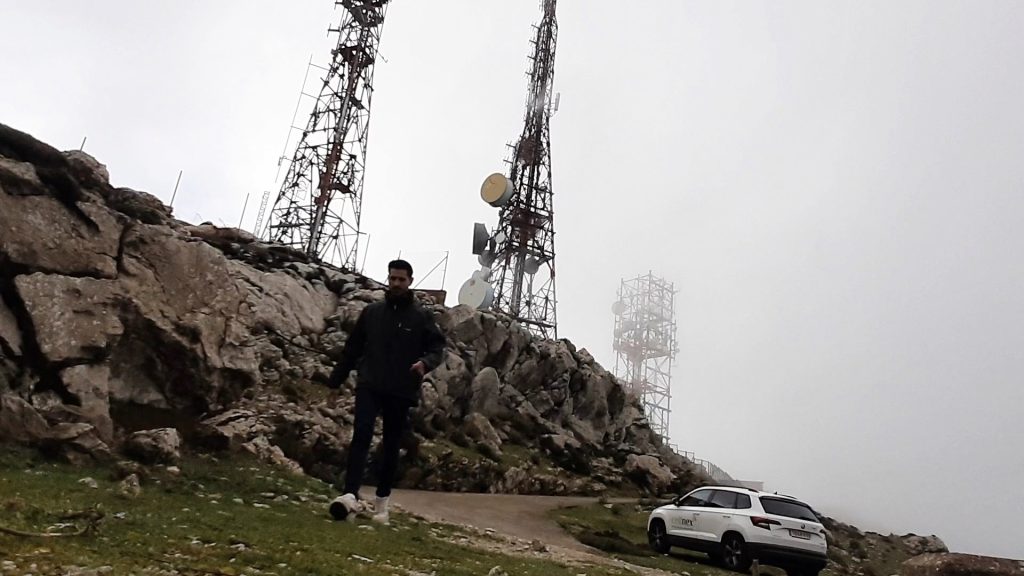
In the Balearic Islands, 12 new transmission centres will provide comprehensive coverage for Mallorca, Menorca, Ibiza and Formentera. The network is ready to grow: more programmes, more operators, without duplicating infrastructure.
In the Netherlands, each area has its own local multiplex. Thus, a small public broadcaster in Terneuzen shares its network with a commercial broadcaster, optimising spectrum and costs.
This architecture not only improves efficiency, it also enhances resilience. A well-dimensioned DAB+ infrastructure can also serve as a support for emergency networks or critical communications.
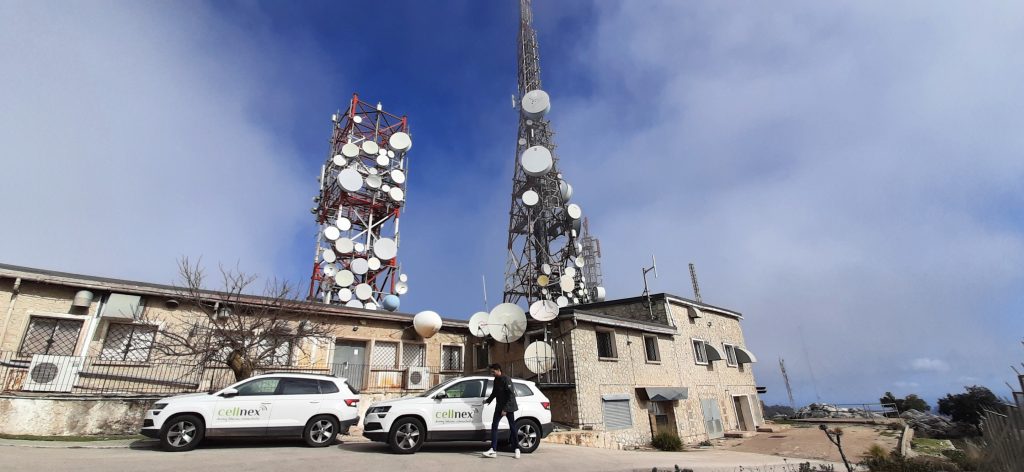
All this is possible thanks to Cellnex’s infrastructure ecosystem: a foundation that underpins both the coverage and technical capacity of next-generation DAB+ deployments.
Digital radio as a right
When the Balearic Agency for Digitalisation and Cellnex decided to design a network that was “stable and scalable from day one”, they were making a clear statement: digital radio is not a market privilege, but a right of access that requires public coordination.
This does not exclude private initiative. On the contrary, it complements it. But it places plurality, access to information and community service at the heart of the model.
In the Balearic Islands, IB3 is leading the transition before opening up space to private operators. In the Netherlands, more than 250 local public broadcasters already have priority presence on DAB+ frequencies. When infrastructure is shared, governance is coordinated and the economic model is balanced, radio diversity not only survives digitisation: it is strengthened.
The 12 broadcasting centres in the Balearic Islands and the 56 multiplexes in the Netherlands are, in reality, one and the same story: how infrastructure prepared today guarantees the continuity of essential services tomorrow.
Because the digital transition of radio does not have to be a matter of ‘sink or swim’. It can be a story of coordination, plurality and guaranteed access.
Cellnex is leading this transformation, not only as an infrastructure provider, but also as a strategic partner in the digital modernisation of European radio.
Related Trends
DAS & Small Cells


More infrastructure, more data

DAS & Small Cells
Connectivity as a legacy: Barcelona and Cellnex transform the seafront

