


Mediacenter


- 19 Feb 2026
- ·
- Corporate
Cellnex advances the next generation of resilient and future-ready connectivity in Europe
Mobile World Congress Barcelona 2026
The company will present end-to-end experience through European use cases: from national transport networks and mission-critical connectivity to energy‑efficient deployments, next-generation indoor coverage and multi‑operator solutions
Barcelona, 19 February 2026.- Cellnex brings its vision for resilient and future‑ready connectivity to MWC Barcelona 2026. The Company, at the forefront of Europe’s telecommunications infrastructure, will showcase again at this year’s Mobile World Congress that connectivity is the backbone of essential services, public infrastructure and Europe’s digital transformation. In a context marked by rising data consumption, new mobility dynamics and growing societal reliance on resilient networks, Cellnex reaffirms its long‑term vision for a more connected, secure and sustainable future.
This year, the company places the spotlight on the real stories behind deployments already operating across Europe. From Spain, France, Poland and Italy to Portugal, the UK, Switzerland, the Netherlands, Sweden and Denmark, Cellnex illustrates how next‑generation connectivity is reshaping critical fields such as transport systems, emergency and public safety communications, energy-as-a-service solutions, high‑capacity connectivity in major venues and corporate facilities, broadcasting and the day‑to‑day services that millions of citizens depend on.
Cellnex will showcase real‑world experiences demonstrating how connectivity is increasingly tied to resilience, safety and efficient operation:
- For mobile network operators: services such as weather and environmental sensors can be easily deployed in a well-stablished European portfolio of sites. Plug and play telecom infrastructure, enabling resilient connectivity for safe autonomous drone operations, or coverage-gap-closing solutions will be unveiled during Mobile World Congress.
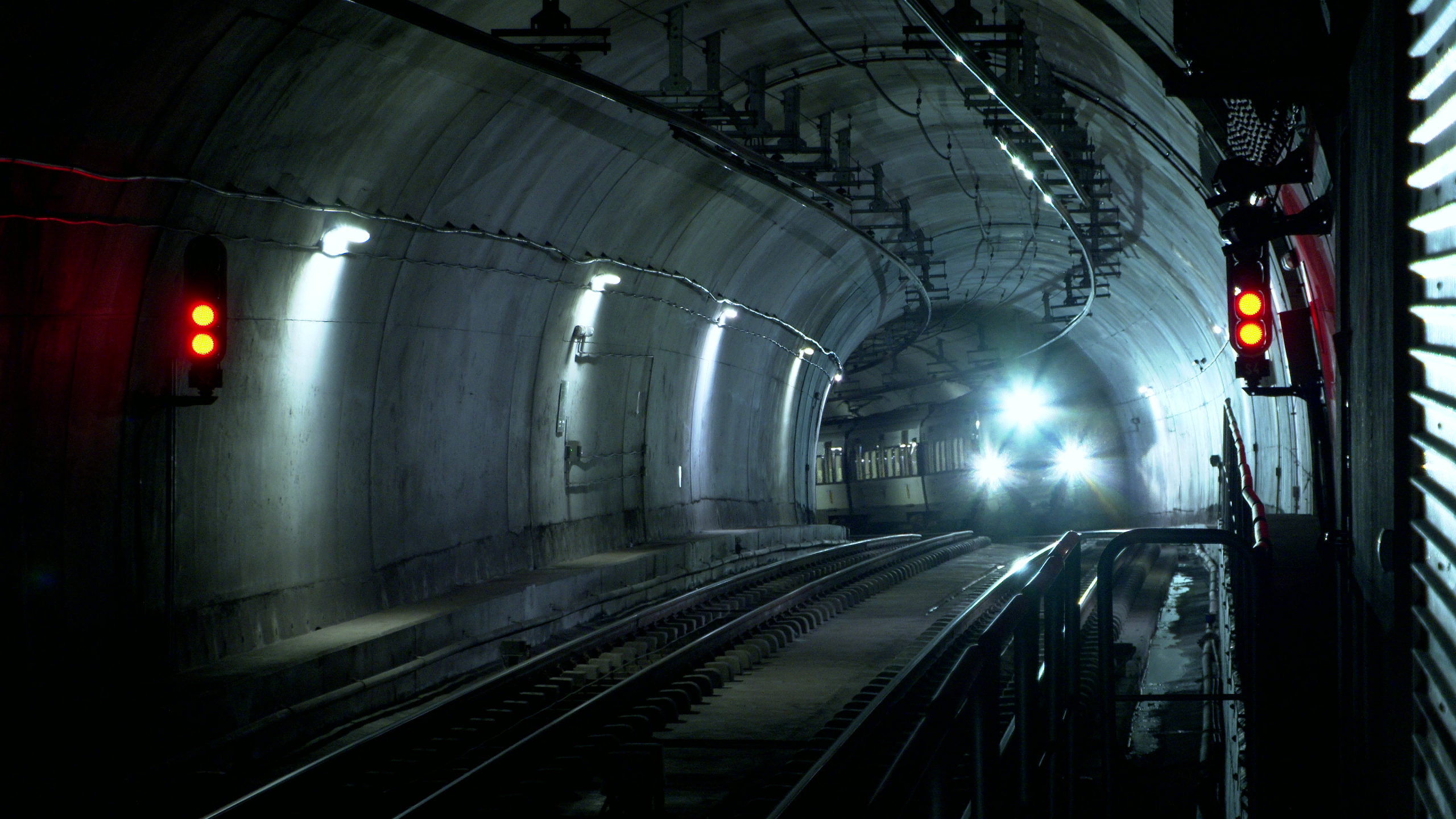
- Transport industry: Cellnex will present global milestones in railway signaling, connectivity for Europe’s major cities and how the company’s work across the European railway sector.
- Security and emergencies: resilient networks supporting climate-related emergency services or operating during power blackout situations will be exhibited.
- Venues and buildings; connectivity solutions engineered for large corporate environments or multi-operator small-cell solutions will be showcased to all visitors.
Cellnex will highlight at the show how teams across Europe work to deliver everyday operational excellence. “What we are showcasing at MWC is the result of years of operational discipline and close collaboration with our customers” explains Simone Battiferri, COO of Cellnex. “Behind every project there is a technical and operational effort focused on reliability, service continuity and resilience.”
The company’s long‑term strategy is rooted in shared infrastructure models that boost digital development, reduce environmental impact and strengthen Europe’s technological autonomy. This includes a focus on energy‑conscious infrastructure, operational efficiency and a multi‑country approach that enables solutions to scale quickly and consistently across markets. Marco Patuano, CEO of Cellnex, will share his industry view at the GSMA Tower Summit, which will take place on Wednesday at 5:30 PM at Partner Theatre 3, Hall 8.0.
The sustainable commitment of the Cellnex booth
Present in 10 countries with more than 120,000 sites, Cellnex will welcome visitors at booth 4C50, located in Hall 4 of Fira Gran Via in Hospitalet. For the third year in a raw, and in line with its commitment to the environment and climate change, the company has incorporated sustainability criteria into the design, construction, operation and end-of-life plan of the materials used for the stand, helping minimise environmental impact and reduce the carbon footprint associated with this activity.
After the event, Cellnex will offset any remaining stand emissions that could not be reduced by acquiring credits in the voluntary carbon market, thus achieving carbon neutrality.

Latest news







- 23 Sep 2025
- ·
- Corporate
Cellnex integrates the social action initiatives previously managed by its Foundation


Cellnex Trends

Technology


Digital radio that prioritises plurality

Broadcast
Pioneers in ultra high-quality on DTT
DAS & Small Cells
More infrastructure, more data
